
Neurological Diseases
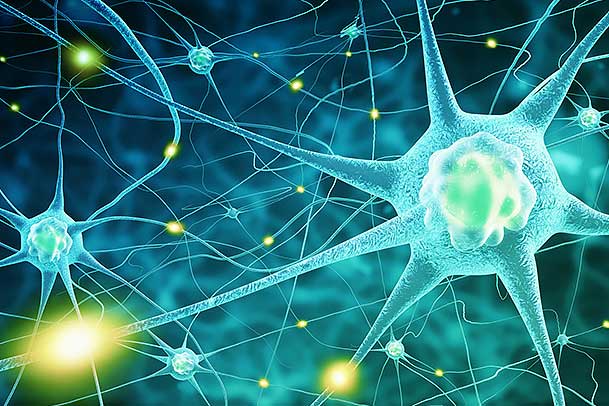
Ayurveda counts Brain as one among three Master Marmas (Vitial Organs). Charaka Samhita compares Brain to Sun, and nerves to sun rays that spreads everywhere in the body. Nerves are called as Indriya pranavaha Srotas in Ayurveda. They are channels which carries Indriya PrAna (nerve impulses). Sensory organs, motor organs and mind are together eleven Indriyas. So Ayurveda classifies nerves into those supplying Sensory organs – Sensory nerves and motor nerves, and those concerned with mental functions. Imbalances in those centers or nerves will lead to signs and symptoms according its original functions.
Parkinson’s disease, Multiple sclerosis, Stroke, Facial Palsy, Migraine, Epilepsy and Motor Neuron disease are most frequently treated Neurology diseases in our centre. All of these diseases needs long term medication and repeated courses of treatments. Facial Palsy and Migraine are completely curable. Most of the stroke patients treated soon after the emergency management recover well with our treatments.
Therapies, Treatments and Services
1.
Panchakarma
Expells accumulated imbalancing substances called Doshas and Ama from all organs and systems of body
2.
Oil Massage
Destroys fatigue,insomnia,ageing and excessive vata, Protects eyes and skin, Provides compactness, nourishment and longivity
3.
Fumigation
Naturopathic medicine is a distinct primary health care profession, emphasizing prevention, treatment, and optimal health through the use of therapeutic methods and substances that encourage individuals’ inherent self-healing process.
4.
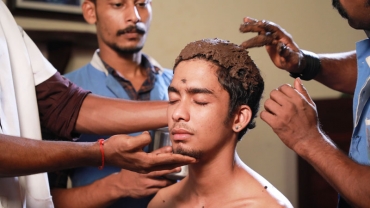
Shiro Lepam
What we put into our bodies influences the harmonious balance of our systems. But our dietary choices are complex with social, cultural, and habitual origins. Our team will work with you and use the power of food to heal your body.
The specific oils or liquids used, as well as the duration of the treatment, may vary based on individual needs and the expertise of the practitioner.
Ready to Restore Harmony in Your Mind, Body, and Spirit?
Appointment
Frequently Asked Questions
Please note that this information is for general purposes only and should not replace professional medical advice. It is always recommended to consult with a qualified Ayurvedic practitioner for personalized guidance and treatment.
An Ayurvedic consultation involves an in-depth assessment of your dosha constitution, current health condition, medical history, and lifestyle factors, such as pulse reading, tongue examination, and more.
Ayurveda can address a wide range of conditions, including digestive disorders, hormonal imbalances, stress-related issues, skin problems, respiratory conditions, and musculoskeletal disorders. It aims to treat the root cause of the imbalance rather than just alleviating symptoms.
The duration of treatment and the time it takes to see results can vary depending on the individual's condition, severity, and commitment to the treatment plan.
An Ayurvedic consultation involves an in-depth assessment of your dosha constitution, current health condition, medical history, and lifestyle factors, such as pulse reading, tongue examination, and more.
Ayurveda can address a wide range of conditions, including digestive disorders, hormonal imbalances, stress-related issues, skin problems, respiratory conditions, and musculoskeletal disorders. It aims to treat the root cause of the imbalance rather than just alleviating symptoms.
The duration of treatment and the time it takes to see results can vary depending on the individual's condition, severity, and commitment to the treatment plan.


