
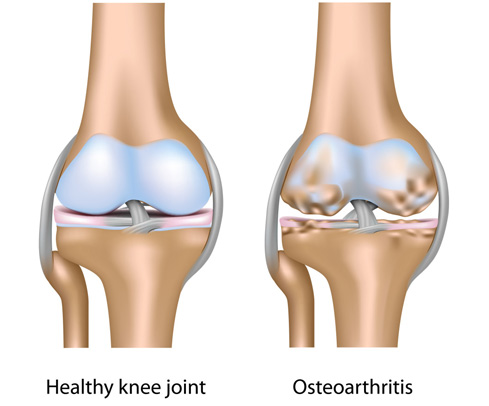
Joint Pain / Arthritis
Ayurveda understands pathology of various Joint diseases in detail and proposes very effective treatments and medications. Joint diseases which are most frequently treated in our centre are Rheumatoid Arthritis, Rheumatic Arthritis, Osteo Arthritis, Gout, Psoriatic arthritis and non specific poly arthritis. If treated in early stages most of these diseases are completely curable. In advanced stages, disease progression can be arrested and it can be maintained asymptomatic with the help of long term medication.
According to Ayurveda there are three main causes for Joint pathologies. Those types of Arthritis found in teenage to younger age are due to metabolic delay and production of unmetablised lymph called as Ama. Body try to metaboilse this substance in mucus membranes and various cavities of the body first. And when that effort is failed later it comes to circulation producing general signs and symptoms. Finally it comes joints where it causes inflammation and deformation. This condition is called as Amavata- most of Rheumatic Arthritis and Cervical spondylitis / Lumbar spondylitis are treated as Amavata in our center.
Second cause joint diseases according Ayurveda is imbalance of blood tissue. Due to improper food and lifestyle, overproduction of cyto-toxins leads to impure blood. This impure blood starts to get obstructed in smaller blood vessels surrounding feet and hands, leading to local inflammatory signs and symptoms. When left untreated it enters to the soft tissues and then to joint spaces leading to severe arthritis in multiple joints. This is called as Vatarakta in Ayurveda. Rheumatoid Arthritis, Gouty arthritis, systemic lupous, Psoriatic arthritis, poly arthritis are treated as Varieties of Vatarakta in our centre with good results.
Last cause of arthritis is wear and tear of joints due to ageing, injury or diabetes or chronic inflammations. This leads to accumilation of Vata in joints leading to further degeneration. This condition is called Sandhivata inAyurvda. Osteo Arthritis or any chronic joint disease shows signs and symptoms this.
1.
Preparation
Before the treatment, the therapist will have a consultation with you to understand your health concerns, dosha constitution, and specific needs. They will select the appropriate oil or liquid based on your dosha and the desired therapeutic effects.
2.
Setup
A comfortable headrest or cushion is provided to support your neck and head. The therapist will adjust the temperature of the oil or liquid and position the vessel from which it will be poured.
3.
Continuous Pouring
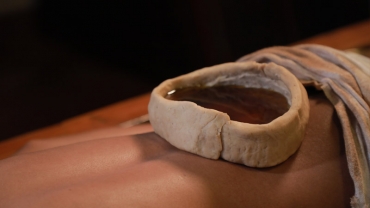
The therapist will start pouring the warm oil or liquid in a gentle and rhythmic flow onto the center of your forehead, just above the eyebrows. The liquid will trickle down your scalp and hair, creating a soothing sensation. The pouring is usually done in a slow and consistent manner for a specified duration, typically ranging from 30 minutes to an hour.
4.
Relaxation
During the treatment, you are encouraged to relax and let go of any tension or stress. Many people find the sound and sensation of the liquid pouring to be deeply calming, inducing a meditative state and promoting mental clarity.
5.
Benefits
Shirodhara is believed to have a wide range of benefits, including stress reduction, relaxation of the nervous system, improvement in sleep quality, balancing of the doshas, enhancement of mental focus, and relief from anxiety, headaches, and certain neurological conditions.
6.
Post-Treatment
After the pouring is complete, you may be given a few minutes to rest and allow the therapeutic effects to settle. Some therapists may also offer a gentle head or scalp massage to further enhance the relaxation.
The specific oils or liquids used, as well as the duration of the treatment, may vary based on individual needs and the expertise of the practitioner.
Ready to Restore Harmony in Your Mind, Body, and Spirit?
Appointment
Frequently Asked Questions
Please note that this information is for general purposes only and should not replace professional medical advice. It is always recommended to consult with a qualified Ayurvedic practitioner for personalized guidance and treatment.
An Ayurvedic consultation involves an in-depth assessment of your dosha constitution, current health condition, medical history, and lifestyle factors, such as pulse reading, tongue examination, and more.
Ayurveda can address a wide range of conditions, including digestive disorders, hormonal imbalances, stress-related issues, skin problems, respiratory conditions, and musculoskeletal disorders. It aims to treat the root cause of the imbalance rather than just alleviating symptoms.
The duration of treatment and the time it takes to see results can vary depending on the individual's condition, severity, and commitment to the treatment plan.
An Ayurvedic consultation involves an in-depth assessment of your dosha constitution, current health condition, medical history, and lifestyle factors, such as pulse reading, tongue examination, and more.
Ayurveda can address a wide range of conditions, including digestive disorders, hormonal imbalances, stress-related issues, skin problems, respiratory conditions, and musculoskeletal disorders. It aims to treat the root cause of the imbalance rather than just alleviating symptoms.
The duration of treatment and the time it takes to see results can vary depending on the individual's condition, severity, and commitment to the treatment plan.


